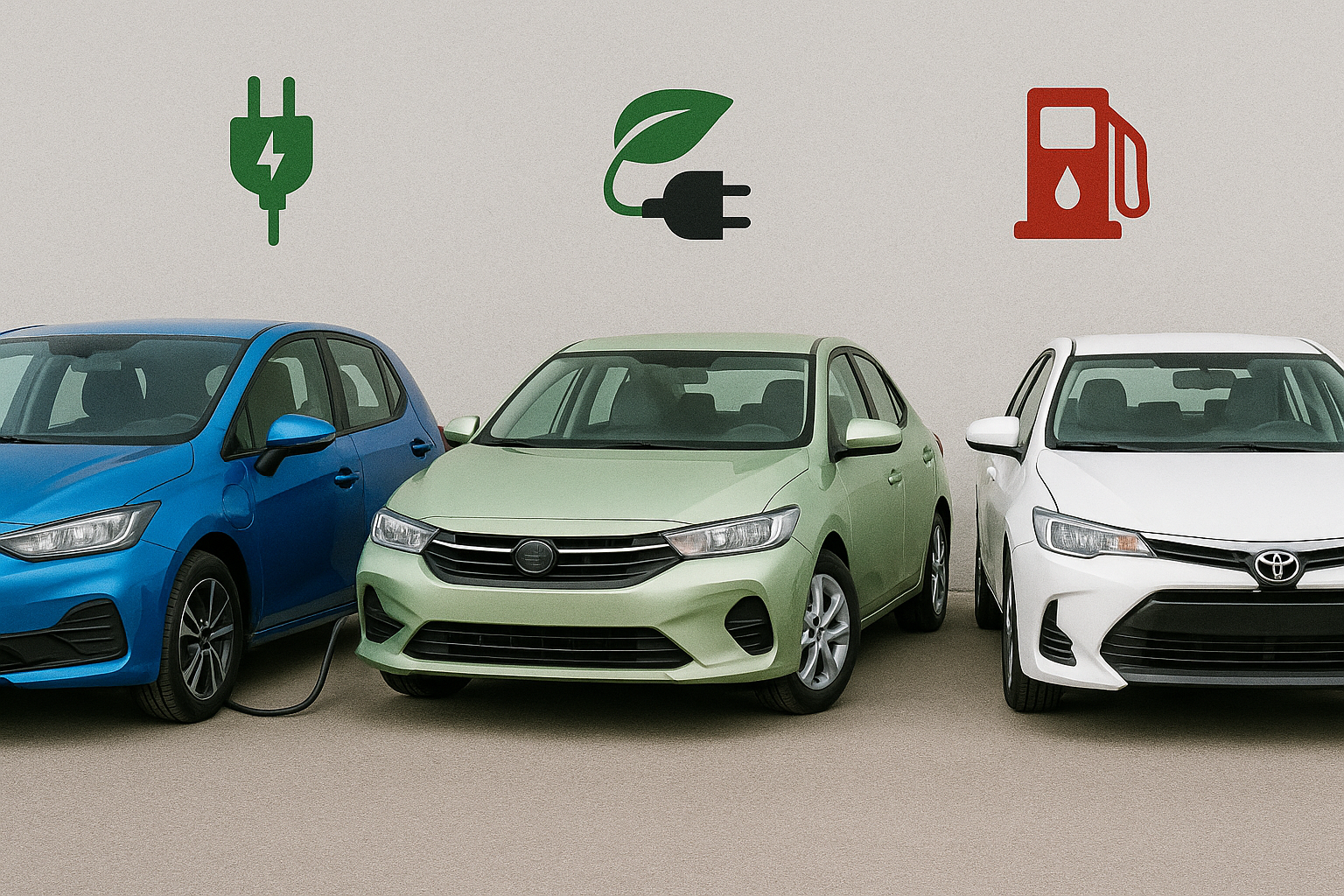
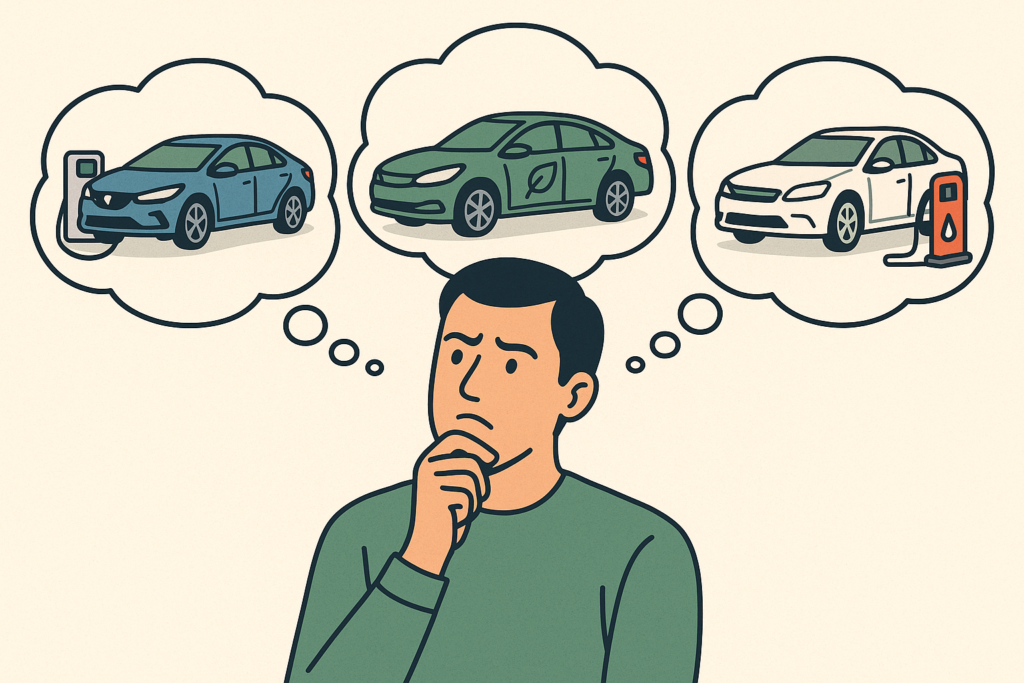
The automotive world is changing faster than ever, and 2025 has become a turning point for car buyers. Electric vehicles (EVs), hybrid cars, and traditional petrol cars now compete side by side, each offering different advantages depending on how you drive. With rising fuel prices, global emissions targets, and rapid technological improvements, choosing between these three options can feel overwhelming. Understanding the strengths and weaknesses of each type will help you make a smarter decision that suits your lifestyle and budget.
Electric vehicles (EVs) have become more popular because they offer the cleanest and most efficient drive. They operate without petrol, produce zero tailpipe emissions, and have extremely low running costs. Many EVs today deliver long driving ranges, faster charging speeds, and high performance. They are perfect for city drivers and anyone who wants to reduce their carbon footprint. However, EVs still depend heavily on charging infrastructure, and the upfront cost is often higher than petrol or hybrid cars.
Hybrid cars provide a middle-ground solution by combining a petrol engine with an electric motor. They automatically switch between power sources to deliver better fuel efficiency and smoother driving. In 2025, hybrids are more refined, reliable, and powerful, making them ideal for long-distance travel as well as daily commuting. They don’t require charging, which means you can use them anywhere with zero range anxiety. However, maintenance can sometimes be more complex because hybrids include both electric components and a traditional engine.
Petrol cars remain the most affordable option when purchasing a vehicle, and they continue to dominate in many regions due to simple maintenance and widely available fuel stations. Drivers who travel long distances or those living in rural areas often prefer petrol vehicles for their convenience. But in 2025, rising fuel costs and stricter emission laws make petrol cars more expensive to run. They also produce more pollution compared to EVs and hybrids and require more frequent servicing.
So, which car is truly better in 2025? The answer depends on your needs. EVs are the best option for eco-friendly driving and low running costs—especially if you have easy access to charging. Hybrids offer the most balanced choice for drivers who want efficiency without relying on chargers. Petrol cars may still be suitable for budgets that prioritise low purchase cost and simple refuelling. The best car is not the most advanced one—it’s the one that fits your daily lifestyle, travel habits, and long-term goals.
Leave a Reply