(By P.G. Dilshan Maduwantha – Mechanical & Automotive Engineering)
Introduction
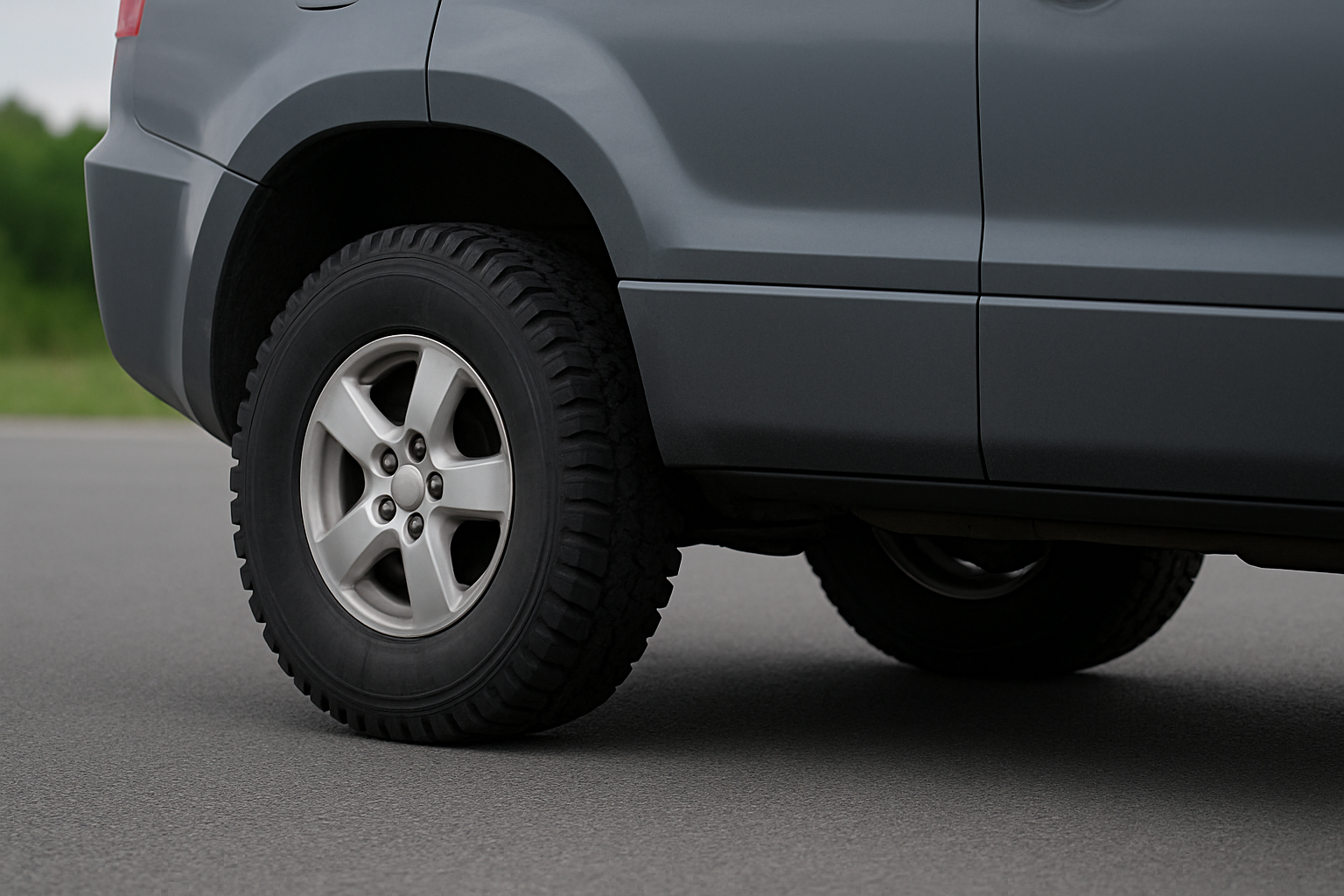
Tyres play a critical role in vehicle safety, comfort and fuel efficiency. Choosing the right tyre is not just about size — it affects braking distance, handling, tyre life and even fuel consumption. As a mechanical and automotive engineering professional, I have worked with DIMO, Isuzu and Sri Lanka Railways, and I have seen how tyre selection mistakes directly cause failures.
In this article, we will look at the most important things to consider when selecting a tyre and the common reasons why tyres fail.
1. Match the Correct Tyre Size
Always use the tyre size recommended by the manufacturer.
You will find it on:
- Owner’s manual
- Driver door sticker
- Existing tyre sidewall
Example: 195/65R15
- 195 → Width
- 65 → Aspect ratio
- R → Radial
- 15 → Rim size
Using the wrong size affects stability, ABS braking, fuel economy and suspension alignment.
2. Load Index & Speed Rating
Each tyre has a load index (weight capacity) and speed rating.
- Load Index Example: 91 = 615 kg per tyre
- Speed Rating Example: H = 210 km/h
If you buy a tyre with low load index, it will overheat and fail quickly. Sri Lankan conditions (heat + load) demand higher load index tyres.
3. Tyre Tread Pattern Selection
There are 3 main categories:
🔹 Symmetrical pattern
Best for daily driving, long tyre life, better comfort.
🔹 Asymmetrical pattern
Good for wet & dry grip, high-speed performance.
🔹 Directional pattern
Best for rain and wet roads (aquaplaning resistance).
Choose the pattern according to your driving style.
4. Manufacturing Date (DOT Code)
A tyre has a DOT code like: 2223
- 22 → Week
- 23 → Year
= Manufactured in 22nd week of 2023.
Do NOT buy tyres older than 2 years — rubber gets harder and loses grip.
5. Weather & Road Condition Suitability
Sri Lanka = hot climate + heavy rain + rough roads.
For this climate:
- Heat-resistant compound
- Strong sidewalls
- Good wet traction
- High load index
- Stone-ejector tread designs
Chinese tyres cheap but weak in heat; Japanese & Thai brands last longer.
6. Tube vs Tubeless
Tubeless tyres are better because:
- Less heat
- Less sudden air loss
- Fuel efficient
- Can run even with small puncture
Only use tube-type if your rim is not tubeless-compatible.
7. Brand Reputation & Warranty
Always check:
- Brand history
- Warranty terms
- Dealer authenticity
- Customer feedback
Fake tyres are common — avoid untrusted shops.
8. Price vs Performance
The cheapest tyre is never the best.
Consider:
- Tyre life
- Road safety
- Braking performance
A good tyre saves fuel and reduces accidents.
Leave a Reply